
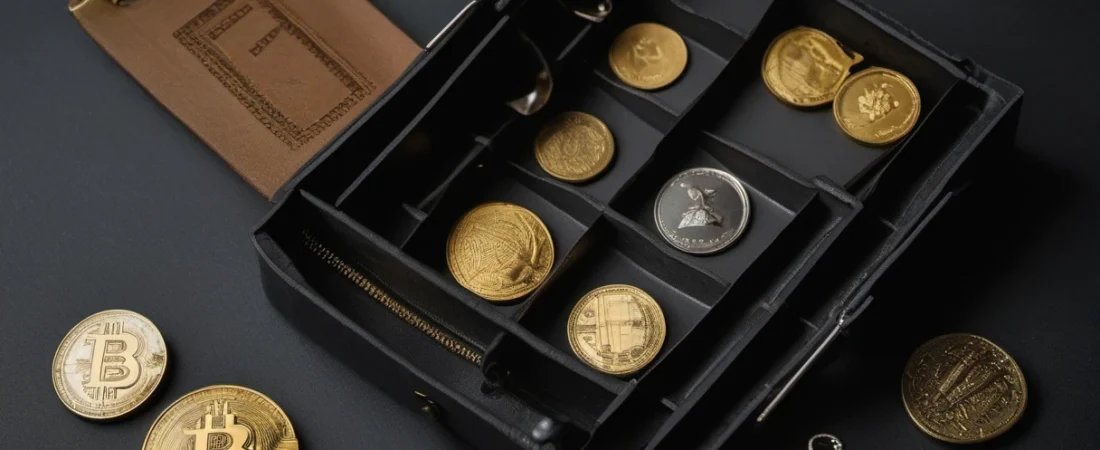
A British man named James Howells has been trying for over a decade to dig up a Welsh landfill in search of a hard drive containing 8,000 Bitcoin — a fortune now worth hundreds of millions of dollars. When his story trended again this week under headlines like “British man recovers lost bitcoin,” millions of searchers had the same quiet thought: what if that were my wallet?
Unlike stocks or bank accounts, bitcoin has no customer service, no password reset, and no probate court that can hand your keys to your heirs. Lose the private key and the money is gone forever — the blockchain records it as permanently frozen. Estimates suggest up to 20% of all bitcoin ever mined is inaccessible for exactly this reason. Here is how to make sure you are not one of them.
How People Actually Lose Bitcoin
The failure modes are mundane, not dramatic:
- A dead hard drive or phone. Howells threw his out in 2013 when bitcoin traded near $3. The wallet file was inside.
- A forgotten password on an encrypted wallet or exchange account, with no recovery path.
- An exchange collapse. The SEC’s FTX proceedings documented how “not your keys” can become “not your money” overnight.
- Death without a plan. Crypto is routinely lost when heirs simply do not know the wallet exists, let alone the seed phrase.
- Scam key disclosure. Anyone who asks for your 12-24 word seed phrase is stealing from you — no legitimate support team ever will.
Rule #1: Your Seed Phrase Is the Money
Every modern wallet is generated from a recovery seed — 12 to 24 words that mathematically recreate every address you will ever own. Whoever holds the seed holds the bitcoin. Protecting crypto is therefore entirely a physical-security and information-security problem:
- Write the seed on paper or stamp it in metal. Metal plates (steel or titanium) survive fire and flood; paper does not. For any meaningful balance, a $50 metal backup is the cheapest insurance in finance.
- Store backups in two separate geographic locations — a home safe and a bank safety deposit box are the classic pair. Never photograph the seed or save it in cloud storage, email, or a password manager’s notes field if you can avoid it; screenshots leak.
- Never type the seed into any website or app except to verify recovery on an offline device you control.
Rule #2: Match Storage to Size
Not every dollar of crypto needs the same vault:
- Under ~$1,000: A reputable exchange with insurance and two-factor authentication (authenticator app, never SMS) is acceptable for beginners.
- $1,000-$25,000: Move to a software wallet with a metal seed backup, or a used hardware wallet purchased from the manufacturer only.
- Over $25,000: A hardware wallet (“cold wallet”) from a first-party source is the standard. The Cybersecurity & Infrastructure Security Agency’s guidance on hard wallets explains the threat model in plain language.
Rule #3: Test Your Recovery Before You Need It
This step separates prepared owners from landfill stories. After setting up any wallet: restore it from the seed phrase on a second device, send a small test amount, and confirm it arrives. If the drill works cold, a dead phone is an inconvenience instead of a funeral for your net worth. Do this annually — and time yourself, because panic is a terrible entropy source.
Rule #4: Write the Inheritance Plan
Bitcoin has no beneficiary form. Without instructions, your crypto dies with you — literally, since there is no way to prove ownership without keys. A workable plan:
- Name a trusted executor who knows the plan exists (not necessarily the details).
- Store seed backups and written recovery instructions separately from each other, referenced in your will through an attorney familiar with digital assets.
- Never post locations online; the FTC’s consumer crypto guidance warns that public “crypto estate” details invite theft while you are still alive.
Rule #5: Treat the Hype Cycle as a Warning
Stories like Howells’ trend because they are tragic and funny at once — but the recovery attempts themselves are now a scam industry. “Lost bitcoin recovery services” that DM trending-article commenters are, per the FBI’s cryptocurrency fraud advisory, almost universally advance-fee fraud targeting people who are already desperate. No one can “hack back” a blockchain. The only recovery is the backup you made.
Frequently Asked Questions
Can a company recover my bitcoin if I lose the password?
Only if a custodian holds it (an exchange with account recovery). If you self-custody and lose the seed, no one on earth can recover it — including the IRS, which has documented cases of permanently lost coins it could not touch.
Is a seed phrase in my password manager safe?
It is better than nothing and worse than offline metal. Password managers have had vault breaches; treat the manager as a pointer to where the real backup lives, not the backup itself.
What about the 8,000 BTC landfill story?
Newport city officials have repeatedly denied excavation permits over environmental cost estimates that grew alongside the price of bitcoin. The lesson the story teaches is not “dig faster” — it is “back up sooner.”
The Bottom Line
Bitcoin’s promise is self-sovereignty: no bank can freeze you out. The price of that promise is that no bank can save you either. A metal seed backup in two locations, a tested recovery drill, a hardware wallet sized to your balance, and a written inheritance plan take one weekend to set up — and they are the difference between owning an asset and renting one until the next hard drive fails.
Do it this weekend, while the story is trending and your motivation is high. And if crypto is your first real investing experience, ground it in the basics first with our beginner accounts guide — speculation only works with a funded emergency base underneath it.