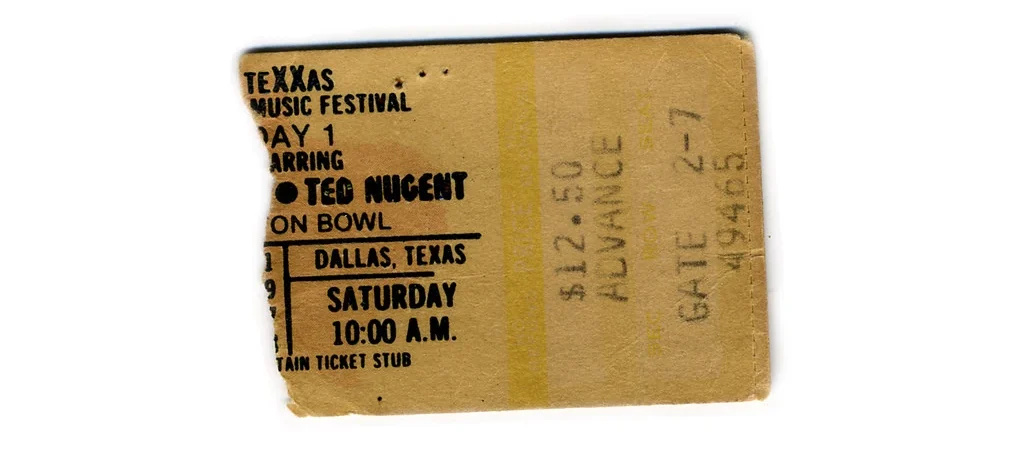
Concert season just collided with your credit card: “ed sheeran tour” (~100,000 searches in the past 24h), “ticketmaster” (~20,000), and “harry styles tickets” (~50,000 this week) are all trending simultaneously. Ed Sheeran’s LOOP Tour North American artist presale registration opens September 18 and closes September 25, Amex presales are already live for card members, and Harry Styles presales ran on Amex too. Meanwhile, Ticketmaster’s own DOJ-era settlement is reshaping how fees appear at checkout.
A stadium ticket that looks like $99 routinely lands at $180-$220 after fees, and resale markets can double that. This guide shows how to use your card’s actual benefits — purchase protection, points math, price guarantees — to cut the real cost of a ticket, and when NOT to use a card at all.
The 2026 Ticket Landscape in Three Bullets
- Primary on-sale windows are presale-first. Artist registration (free), card-member presale (Amex typically), then Citi/other card presales, then general on-sale. The cheapest seats almost always go in presale, not general release.
- Fee structure is shifting. After the DOJ’s antitrust settlement framework capping service fees around 15%, “all-in” upfront pricing is spreading — the posted price increasingly includes fees, before taxes. Compare all-in numbers, not headline numbers.
- Resale is a separate market with its own protections. Verified resale on Ticketmaster and face-value fan-to-face platforms like StubHub’s price-capped listings behave very differently from a Craigslist “friend moving abroad” ticket, which is where scams live. The CFPB keeps a running complaint database for ticketing platforms if a delivery goes wrong.
Card Benefits That Actually Apply to Concert Tickets
1. Amex presale access (the most underrated “benefit”)
The American Express card presale is not a discount — it is inventory access. Getting first pick at face value is worth more than any rewards rate, because it avoids the 30-100% resale premium entirely. For Ed Sheeran’s LOOP Tour, Amex presale access was advertised alongside the tour itself. If you are considering an upgraded financial setup anyway, a no-annual-fee Amex (or the cards below) earns its keep on two concerts a year.
2. Purchase protection and extended warranty — read the exclusion list
Many premium cards (Ch Sapphire, Amex Platinum, Citi Strata Premier class) include purchase protection for stolen/damaged items. Tickets are often explicitly excluded or capped. Before you bank on insurance, pull your card’s benefit guide and search “admission tickets.” If covered, understand the claim window — usually 90-120 days from purchase.
3. Price-drop and ticket-guarantee features
Some cards and issuer portals (Amex Offers, Chase Experience, Citi Entertainment) push targeted statement credits on Ticketmaster/AXS/Live Nation purchases — commonly $10-$40. They appear on the purchase after you enroll, and they stack with the card’s base rewards. Check the offers tab the day you buy, not the day you paid your bill.
4. Points math: what your ticket earns, and what it redeems for
Run the numbers on a $400 two-seat purchase:
- 2% cash back: $8 — a rounding error, fine, but no reason to carry debt for it.
- Chase 3x on travel/dining portals or Sapphire Reserve 3x: 1,200 points ≈ $120-$240 of future travel value depending on redemption — meaningful.
- Amex Membership Rewards on ticket purchases: base rate unless an Offer boosts it; hotel transfer partners can stretch $400 of spend into a weekend.
For deeper strategy, the same principles apply to stretching points on flights and hotels: bank the points, redeem for the big-ticket categories, and never carry the balance that earned them.
The Step-by-Step Playbook for the Next Big On-Sale
- Register for every presale 72 hours early — artist presale, card presale, venue presale. Registration is free and each one is an independent lottery for good face-value seats.
- Decide your all-in ceiling before the queue. Write it down: “we will pay $X total for two seats.” The queue is engineered urgency; your future self will thank you.
- Pick the card before the on-sale, not at checkout. Amex if it unlocks access; a 3x points card if the venue’s ticketing category qualifies via a travel portal; a no-fee cashback card as the default. Never put a $400 ticket on a card carrying a 24% APR balance — one month of interest erases every benefit.
- Charge, do not use “buy now, pay later” for face-value tickets. BNPL on a $200 ticket at 0% is neutral-to-slightly-negative (hard inquiries on some products, default risk if seats sell out and you dispute). If cash-flow is the issue, our saving framework fixes the cause; the concert fund is a two-month goal for most households.
- Screenshot the all-in total and the seat map at purchase. If the delivered tickets differ from what was sold — a persistent complaint in the fee lawsuits — the screenshot is your chargeback and platform-dispute evidence.
When Not to Pay by Card (and When a Chargeback Saves You)
Three rules of thumb:
- P2P “friend’s spare ticket” payments via Zoom/Venmo/Cash App friends-and-family have zero card protections. That is the #1 concert-ticket scam vector, and it is why the FTC’s imposter-scam losses hit $3.5 billion in one year. Insist on a protected marketplace checkout or keep walking.
- Credit card + documented purchase = your best dispute leverage. Event cancellation or material misrepresentation claims go far smoother through a card chargeback than through an exchange’s ticket credit.
- Debit cards expose your actual bank balance to card-not-present fraud; use credit everywhere you can, which is also the backbone of healthy household cash management.
Frequently Asked Questions
Does buying tickets with Amex count toward welcome bonuses?
Usually yes — ticket purchases are ordinary spend unless coded oddly. If you have an open bonus requirement, buying at an Amex-presale with an Amex can kill two birds, provided the spend posts normally.
Are resale fees on StubHub/SeatGeek card-protectable?
The card protects your payment dispute; the platform protects delivery (many guarantee valid tickets or refund/reseat). Use a credit card for either, and prefer platforms with written delivery guarantees over social media sellers.
What is a fair price in 2026?
Face value plus posted fees is the only “fair” number. Anything on the resale aftermarket is a market price; decide your ceiling before the queue and hold it.
Will the Ticketmaster settlement lower my fees?
The DOJ framework caps certain service fees around 15% and pushes all-in pricing, so checkout math is improving at the margin — but it does not police resale premiums. Compare all-in totals across the primary window and the resale market before paying above face.
Bottom Line
Concert spending is a card game whether you play it or not: presale access belongs to cardholders, issuer offers quietly credit $10-$40 back, points cards turn a $400 ticket into a weekend hotel night, and unprotected payment apps turn tickets into FTC statistics. Register early, pick the card deliberately, cap your all-in price before the queue opens, and never carry the balance for the privilege. The best ticket discount is still the one that costs nothing: buying at face value in a presale you entered with a card you already had.