Bitcoin Is Back Above $80,000: What It Means for Your Money
Bitcoin has climbed back above the $80,000 mark, grabbing headlines and rekindling questions from investors who missed the earlier rallies. After a stretch of choppy trading, the leading cryptocurrency is moving again — and with it, the eternal debate: buy now, or wait? Here’s a calm, practical look at what a Bitcoin price around $80k means and how to think about it with your own money.
Why people are paying attention again
The btc price breaking $80,000 is psychologically significant because round numbers attract retail attention and media coverage. For many investors, the question isn’t whether crypto is “going to zero or the moon” — it’s whether now is a sensible moment to own a small position, add to one, or finally take profits.
The honest truth about Bitcoin’s price
Nobody can reliably predict where Bitcoin goes next, and anyone who tells you they can is guessing. Bitcoin is highly volatile, moves on sentiment and news as much as fundamentals, and can swing 10-20% in a single week. That uncertainty is the price of its potential upside. The smart framing isn’t “will it hit $100k?” but “how does this fit my risk tolerance?”
How much should you consider investing?
Financial planners who tolerate crypto typically recommend it as a small allocation — often 1% to 5% of your investable portfolio — money you can afford to lose completely. Bitcoin belongs in the “risk” bucket of your portfolio, not the “retirement stability” bucket. If your emergency fund isn’t full and your other debts aren’t handled, that should come first.
Dollar-cost averaging over trying to time it
Rather than betting a lump sum at $80k, many investors use dollar-cost averaging: buying a fixed dollar amount on a regular schedule no matter the price. This smooths out volatility and removes the agonizing “buy the dip or chase the rally” decision. It won’t maximize gains, but it prevents catastrophic timing mistakes.
Taxes and record-keeping matter
If you sell Bitcoin at a profit, the IRS treats it like any capital asset — you owe capital gains tax. The tax rate depends on how long you held it and your income. Keep careful records of every buy, sell, and wallet transfer, because the IRS receives crypto transaction reports and audits are increasing.
Common beginner mistakes at moments like this
- FOMO buying at a new high with money you can’t afford to lose.
- Leverage — trading with borrowed money can wipe out a position in a flash.
- Ignoring security — keep crypto off exchanges in a self-custody wallet for large amounts.
- Panic selling on the next 20% drop.
Should you buy, sell, or hold?
A balanced answer:
- If you don’t own Bitcoin and want exposure, consider a small, scheduled position you can afford to lose.
- If you already own it as a reasonable portion of your portfolio, the discipline is usually to hold through the noise — or trim a little if it’s become an outsized slice of your net worth.
- If you’d panic at a 30% drop, you probably own more than your temperament can handle.
How to buy and store crypto safely
If you do decide to take a small position, security should come first:
- Use a reputable exchange — established platforms with solid track records are dramatically safer than no-name apps promising impossible returns.
- Turn on two-factor authentication — an authenticator app is far safer than SMS-only verification.
- Move large holdings to self-custody — a hardware wallet keeps your coins off the exchange, where they can’t be frozen or lost in a hack.
- Never share your recovery phrase — anyone who has it controls your wallet, and no legitimate service will ever ask for it.
- Be wary of “free Bitcoin” promotions — most are phishing or malware lures.
Good security habits matter more than a perfect entry price. Most crypto-related losses among beginners come not from the price moving down, but from scams, hacks, and lost credentials.
Frequently asked questions
Is Bitcoin at $80,000 a bubble?
Bitcoin has multiple times been called a bubble — and has both crashed hard and recovered. No one can know in real time. Treat it as a high-risk asset and size it accordingly.
How volatile is a weekend trade?
Bitcoin trades 24/7, including weekends, so a “quiet” week can still produce big moves. That’s why dollar-cost averaging beats emotional timing.
What’s the safest way to hold Bitcoin?
For meaningful amounts, hardware wallets (self-custody) are safer than leaving coins on a crypto exchange, which can be hacked or freeze accounts.
The bottom line
Bitcoin at $80,000 is exciting, but the same rules apply as always: size it small, use money you can lose, dollar-cost average instead of chasing, keep records, and don’t touch leverage. Whether it hits $100k or falls to $60k, a disciplined, minor allocation means you’ll shrug either way instead of being wrecked by it. Build your emergency fund and pay off high-interest debt first — Bitcoin is speculation you can afford to include only after the boring stuff is handled.
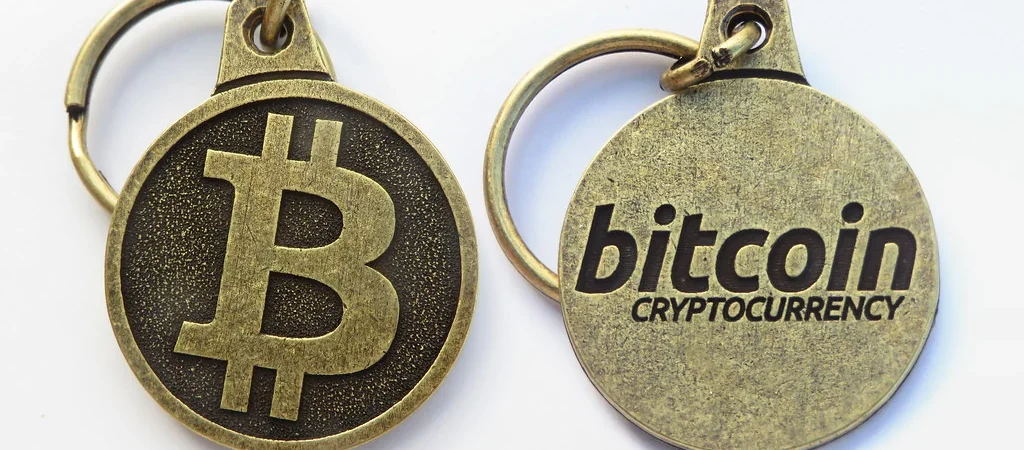
Photo: btckeychain via Openverse (CC BY 2.0)