
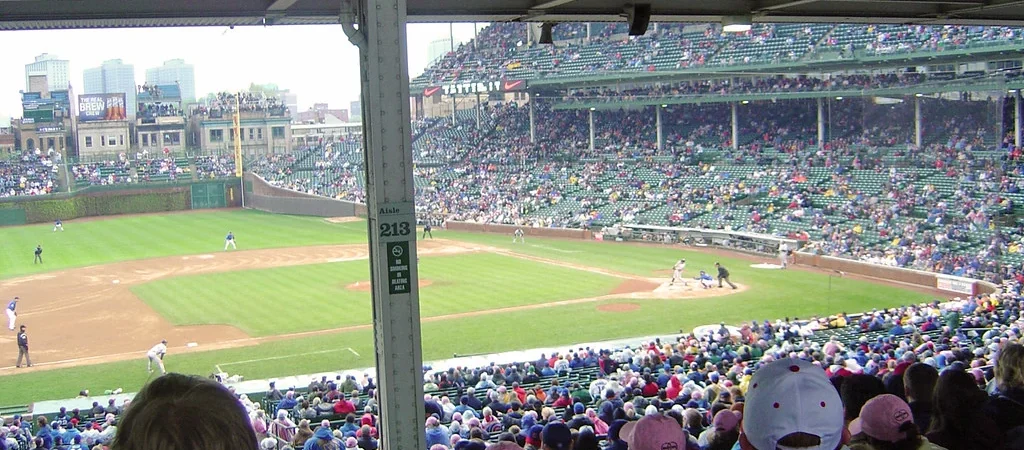
Chicago Cubs Game Day on a Budget: Wrigley Field Tickets, Transit and Cheap Eats 2026
Few things say summer in Chicago like a night game at Wrigley Field — ivy walls, the iconic marquee, and the W flag flying after a win. But a trip to the Friendly Confines can also feel like a financial squeeze if you’re not careful: between tickets, parking, and ballpark food, an impromptu game day can easily run a family well over $300. The good news is that a Cubs game is one of the most budget-friendly pro sports experiences in the country if you know the local tricks.
This guide breaks down the real 2026 cost of a Cubs game day and shows exactly how to see the action at Wrigley without wrecking your monthly budget — from the cheapest way to get tickets to the free things to do around the ballpark before first pitch.
What a Cubs Game Day Actually Costs
Let’s put real numbers on the experience. A reasonable baseline for one adult attending a midweek game in 2026 looks like this:
- Tickets: The Cubs set some of the lowest “walk-up” prices in the majors with their variable pricing, and secondary-market tickets on a Tuesday night can land in the $20–$60 range for upper deck seats.
- Transit: The Red Line drops you a few blocks from the gate for $2.50–$3 one way, versus $40–$70 for event parking.
- Ballpark food: Expect $8–$15 per item — a classic hot dog, nachos, or a beer runs toward the higher end.
- Total: A smart, budget-minded adult can get in, eat, and ride transit for roughly $75–$120; a family can do it well under $250 with planning.
The key insight: tickets and transit are where you save the most, so that’s where the budget effort belongs.
The Cheapest Way to Buy Cubs Tickets
Ticket strategy is 80% of the budget battle. A few durable rules keep you out of overpaying:
- Buy midweek, not weekends. Tuesday and Wednesday games are consistently the cheapest. Weekend and rivalry series command premiums.
- Wait for the weather. A forecast with a chance of rain pushes prices down the day before, and tickets still sell well on game day. Checking the secondary market 24–48 hours out usually beats buying months ahead at face value.
- Use the Cubs’ flexible pricing. The team’s dynamic pricing means different games have wildly different “walk-up” prices; games against smaller-market opponents are a fraction of the cost of big draws.
- Consider the cheapest sections. Upper deck and standing-room-only tickets get you into the ballpark — and at Wrigley, the neighborhood atmosphere and standing room sections are part of the charm.
- Never buy from scalpers outside the gate. Markups are steep and tickets can be invalid. Stick to the Cubs’ official resale marketplace or a reputable app.
Skip the Parking: Transit Is the Real Money Saver
Parking at and around Wrigley is expensive, scarce, and adds traffic to your whole evening. Event lots routinely run $40–$70, and some residential streets are permit-only on game days. The smarter play is the CTA Red Line, which drops you at Addison station roughly two blocks from the gate for a couple of dollars. Alternatively, the L and several bus lines connect the ballpark to the rest of the city cheaply.
If you’re driving from the suburbs, park at a free or cheaper remote lot and ride the train in for the last leg. The combination is dramatically cheaper than event parking, and you skip the post-game gridlock entirely — a bonus that saves both money and your evening.
Eat Before You Go: The Wrigleyville Play
Ballpark concession prices are the second-biggest budget leak. A full meal of a hot dog, fries, and a drink inside Wrigley can approach $30 per person. The Wrigleyville neighborhood — one of the best pre-game food scenes in baseball — offers far better value and atmosphere:
- Classic Chicago hot dog stands and taquerias within a few blocks sell filling meals for $8–$15.
- Grab a slice, a burger, or Mexican food on Clark or Sheffield before the game, then only buy a souvenir or drink inside.
- Bring your own bottle of water — an empty refillable bottle is allowed in and saves you $6–$8 on stadium water.
Eating a full meal before you walk through the gate is the single easiest way to cut 30–50% off your game-day outlay.
Free and Cheap Ways to Enjoy the Wrigley Experience
Half the fun of a Cubs game is the neighborhood, and much of it costs nothing:
- Walk the marquee corner and the famous brick exterior for photos — entirely free.
- Watch batting practice times change and time your arrival to see players warm up; some fans catch the action from Gallagher Way, the plaza outside the park.
- Explore Gallagher Way, the open plaza with green space, a fountain, and free community events, right across from the ballpark.
- There’s also a team store where you can browse without buying — budget a souvenir line-item in advance so the impulse buy doesn’t surprise you.
Set a Game-Day Budget Before First Pitch
The easiest way to overspend at any event is to have no number in mind. Decide before you leave how much the day costs in total — tickets, food, transit, and one souvenir — and stick to it. Common sense rules:
- Set a hard cap and keep it in cash or on a dedicated account so it’s easy to track.
- Prepay for tickets and transit so the in-stadium spending is small and contained.
- Skip the alcohol at stadium prices; a single beer can cost more than your ticket did.
- If you’re using a rewards card for the trip, make sure it’s back on your budget plan — rewards only help if the spending stays planned.
Frequently Asked Questions
How much does a Cubs ticket cost in 2026?
Walk-up and secondary-market prices vary by opponent and day of week. Upper-deck tickets on midweek games can often be found in the $20–$60 range, while weekend and rivalry games cost significantly more. Buying 24–48 hours out and choosing midweek games delivers the best prices.
Is there cheap parking near Wrigley Field?
Event parking near Wrigley typically runs $40–$70. The cheapest practical option is the CTA Red Line or combining a remote lot with the train; transit is a small fraction of the parking cost.
Can I bring food and water into Wrigley Field?
Fans can bring one unopened bottle of water (typically up to a specified size) and are allowed to bring their own food into the stadium in a clear bag. Check current Cubs ballpark guidelines, but bringing a refillable bottle and eating before the gate saves the most money.
Are Cubs games good value compared to other sports?
Yes. Wrigley Field games are consistently among the more affordable pro sports experiences, especially on midweek nights, and the free neighborhood attractions make the whole experience unusually budget-friendly.
Bottom Line
A Chicago Cubs game at Wrigley Field is one of baseball’s great experiences — and it doesn’t have to cost a fortune. Buy midweek tickets close to game day, skip the $60 parking for the Red Line, eat a full meal in Wrigleyville before entering, and set a firm game-day budget. With those habits, you can catch America’s most charming ballpark for well under $150 as an adult, and a family can do it for around $250. That’s a summer memory that won’t haunt your credit card statement in September.
Sources: MLB/Cubs official site, Chicago Transit Authority fare information, and secondary-ticket market price data for Wrigley Field.
MyAmericanWallet · Budgeting & Savings · More event money tips: a Brewers game on a budget and undisruptable emergency savings.
Read More Articles
Photo via Openverse (Flickr, CC BY 2.0)