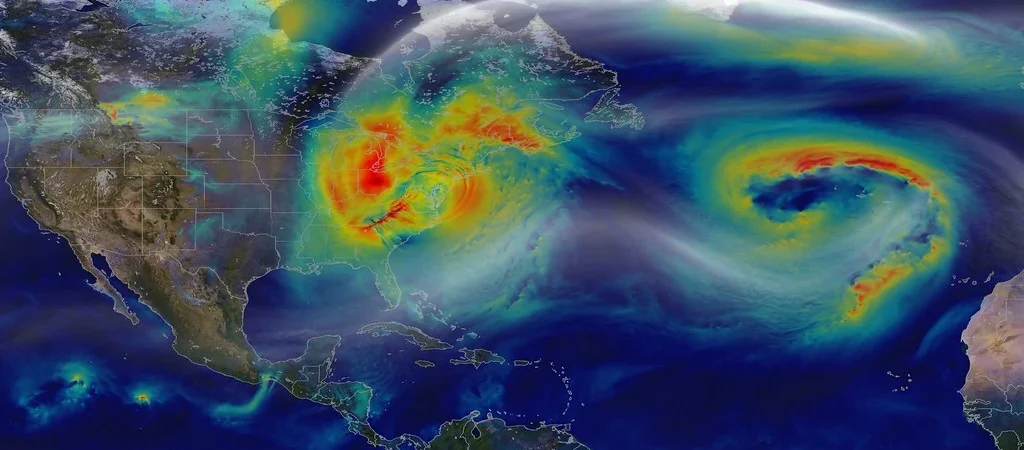
The 2026 Atlantic hurricane season runs from June 1 through November 30, and forecasters — from Colorado State University and NOAA to Allianz Commercial — have called for a near- to below-average season. But as every risk manager repeats, a below-normal forecast is not a free pass: it only takes one landfall to cause massive financial damage, and the costs of hurricanes — home repairs, lost income, deductibles, insurance gaps — pile up fast. Whether or not a storm ever reaches your coast, here’s how to use hurricane season to harden your wallet, not just your windows.
What Forecasters Expect for 2026
The 2026 outlook is unusually quiet on paper. Colorado State University’s forecast estimates 11 named storms (average is about 14.4) with 5 hurricanes (average 7.2), and other major forecasts point to below-average activity. Insurers have even noted reinsurance rates could ease as much as 25% after a calmer outlook. But the key caveat from every outlet is the same: below-average counting of named storms doesn’t reduce the severity risk of the storms that do form, and a single Category 3+ landfall can still be catastrophic.
Know Where You Stand With Insurance
Your first hurricane money move isn’t buying plywood — it’s reading your policy. Homeowners insurance typically does not cover flood damage; that requires a separate flood policy, usually through the NFIP (National Flood Insurance Program) or private insurers. Wind damage is usually covered under standard homeowners policies, but some coastal states have separate wind pools. Check your deductibles (hurricane deductibles are often a percentage of your home’s value, not a flat amount) and confirm your coverage limits are enough to rebuild at today’s construction costs.
Build or Top Up Your Emergency Fund
If a hurricane hits, the immediate costs — hotels, food, gas, generator, temporary housing, insurance deductibles — can hit thousands of dollars before any claim is paid. A well-funded emergency fund is the difference between a disruption and a financial disaster. Target at least three to six months of essential expenses, and keep some of it easily accessible (a high-yield savings account) rather than locked up in investments you’d have to sell at a bad time. Hurricane season is a strong reminder to fund your cushion before you need it.
Prepare for Income Disruption
Storms close businesses, cancel shifts and shut down roads for days or weeks. If your income depends on being physically at work, hurricane season is the moment to think about income protection. That means having a bigger emergency cushion, understanding your employer’s paid-time-off and disaster policies, and knowing what unemployment or disaster assistance is available if a storm costs you work. The financial impact of lost income often exceeds the property damage itself.
Document Everything Before the Storm
Before a named storm threatens, create a digital inventory of your home and valuables. Photograph each room, record serial numbers of expensive items, and keep receipts and policy documents in a safe, backed-up location (cloud storage or a fireproof box). This documentation is what makes insurance claims go smoothly and is often the difference between a full payout and a long, contested fight. Do it now, while the sky is clear.
Protect the Easy-to-Miss Costs
Beyond the headline expenses, hurricane prep has quiet money leaks worth sealing now. A generator, extra fuel, bottled water, batteries, and portable chargers are cheap if you buy them in calm weather — and expensive or unavailable the day before a storm. Check that your gas tank is full and your car is serviced before a watch is issued. And review the limits on your existing coverage: many policies cap or exclude things like detached structures, landscaping, and temporary housing in ways that surprise homeowners after a claim. Knowing these gaps in advance lets you decide whether paying extra for a rider is worth it.
Know Your Disaster-Assistance Options
If a hurricane does strike, help exists beyond insurance. FEMA individual assistance can cover temporary housing and essential needs when a disaster is federally declared, and the SBA offers low-interest disaster loans for homeowners and businesses that may fill gaps left by insurance. These programs have specific deadlines and application steps, so knowing the basics now — where to apply, what documentation you’ll need — saves precious time when it matters most.
Review Deductibles and Coverage Before Renewal
Hurricane season is also the natural time to review your entire property insurance picture before your next renewal. Compare what a higher deductible would do to your premium against the cash you’d realistically owe out of pocket after a storm; a higher deductible can lower premiums, but only if you can actually afford it when a claim happens. Ask your insurer or agent specifically about hurricane deductibles, flood coverage and any “named storm” exclusions in your policy. For many homeowners, the quiet gap season is far easier for shopping coverage and locking in a better rate than the scramble before a landfall.
Frequently Asked Questions
Is the 2026 hurricane season forecast to be bad? No — CSU and other forecasters project near- to below-average activity (about 11 named storms and 5 hurricanes vs. historical averages of ~14.4 and 7.2). But below-average seasons can still produce a single devastating storm.
Does homeowners insurance cover hurricane damage? Standard homeowners policies typically cover wind damage, but not flooding — flood coverage requires a separate policy through the NFIP or a private insurer. Check hurricane-specific deductibles and coverage limits, especially in coastal states.
How much emergency fund should I have before hurricane season? Aim for at least three to six months of essential expenses, kept accessible in a high-yield savings account, to cover hotels, food, gas, deductibles and income gaps after a storm.
What help is available if I’m hit by a hurricane? FEMA individual assistance can cover temporary housing and essential needs after a federal disaster declaration, and the SBA offers low-interest disaster loans for homeowners and businesses.
Bottom Line
A quiet hurricane forecast is welcome news, but it’s not a reason to skip preparation. Review your insurance — especially the separate flood coverage most policies lack — fund your emergency cushion, prepare for possible income disruption, and document your home before the sky turns dark. Hope for the calm season forecasters promise; just make sure your finances are ready in case one storm breaks the pattern.
Sources: Colorado State University tropical forecast, NOAA NHC, Allianz Commercial outlook, FEMA, SBA. Forecast figures reflect agency estimates at publication time and can change through the season.
Photo: NASA Goddard Photo and Video via Openverse (CC BY 2.0)