
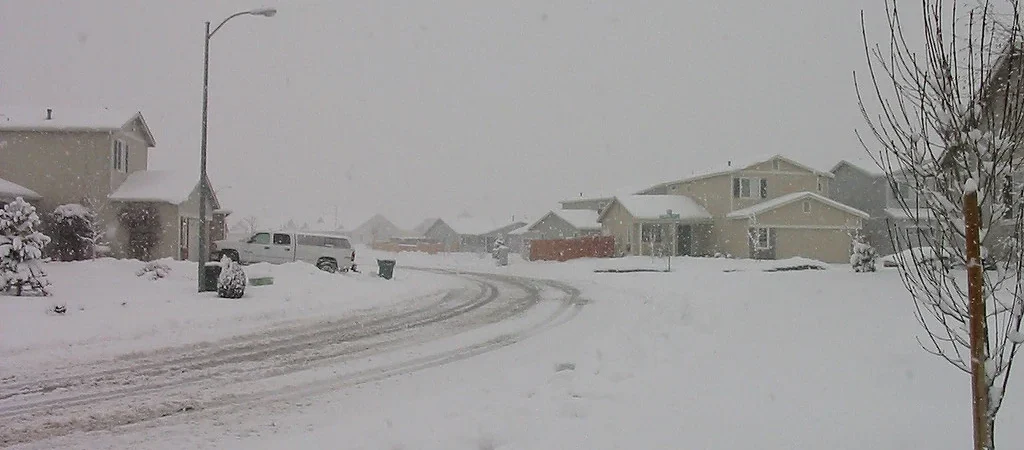
A wind advisory isn’t a hurricane warning — but it’s a serious heads-up that damaging winds are likely, and they can cost you real money. High winds down trees, rip shingles, topple fences, and trigger power outages that spoil food and run up hotel bills. The good news: most wind-related damage is preventable with cheap, do-it-yourself preparation. Here’s how to protect your home and your budget before the storm blows in.
What a Wind Advisory Actually Means
The National Weather Service issues a wind advisory when sustained winds of 31–39 mph (or gusts of 46–57 mph) are expected. It’s a step below a high-wind warning, but those speeds are strong enough to cause real property damage and scattered power outages. Knowing the difference helps you decide how aggressively to prepare:
- Wind advisory: strong winds expected; secure loose objects, be cautious.
- High-wind warning: destructive winds expected; treat like a serious weather event.
Always check weather.gov for official forecasts and local alerts rather than relying on social-media hype.
Step 1: Secure the Cheapest, Most Common Damage First
Most wind-advisory damage isn’t structural — it’s loose items becoming projectiles.
- Patio furniture: stack and tie down chairs, tables, and umbrellas, or bring them inside.
- Trash bins: strap lids or move bins to a sheltered spot; empty bins catch wind and blow away.
- Garbage and recycling: a loose bin rolling into a car or neighbor’s window is an avoidable liability.
- Grills, trampolines, and sheds: anchor trampolines to the ground and secure any freestanding structures.
- Hanging plants and decorations: bring lightweight items indoors.
This 30-minute sweep prevents the majority of insurance claims and property damage from a typical wind event.
Step 2: Protect Your Roof and Siding
Roof shingles and siding are the most expensive wind casualties. Loose or aging materials can peel off even at advisory-level gusts.
- Walk your roofline (from the ground or with binoculars) and look for lifted, cracked, or missing shingles before the event.
- Secure loose gutter sections and downspouts, which can sag or detach in gusts.
- Trim dead or overhanging tree branches near your roofline — a falling limb is a top cause of wind damage.
- Seal gaps around windows and doors to keep driven rain and debris from entering.
Taking a few photos of your roof and exterior before the storm also speeds up any insurance claim by documenting your home’s pre-storm condition.
Step 3: Prepare for Power Outages on the Budget
Wind advisories frequently knock out power, which brings its own costs: spoiled food, takeout meals, and sometimes hotel nights.
- Fill freezers: a full freezer stays cold longer than an empty one when the power fails.
- Charge devices and, if you rely on medical equipment, have a backup battery plan.
- Have cash on hand — card readers and ATMs can go down with the grid.
- Know your fridge’s cold window: an unopened refrigerator keeps food safe for about 4 hours; a full freezer about 48 hours.
Set your freezer to a colder temperature in advance and fill open space with water bottles (which also give you emergency drinking water).
Step 4: Review Your Insurance Before You Need It
The cheapest time to understand your coverage is before the wind blows.
- Check your deductible — wind damage claims count against it, so know what you’d pay out of pocket.
- Confirm tree-damage coverage: some policies limit payouts for fallen trees, and whether a tree that hits your house vs. your neighbor’s is covered varies.
- Photograph valuables for a home inventory that speeds up claims.
- Know your insurer’s claims line and file promptly after the event.
For guidance on documenting damage and working with insurers, the Insurance Information Institute offers a step-by-step claims guide.
Step 5: Budget the “What If” Costs
Even with preparation, a wind event can create unexpected expenses. A small storm-ready fund — even $100–$200 — covers the common out-of-pocket items like tree removal, a hotel night, or food replacement before your insurance deductible kicks in.
- Keep this accessible (a savings account or cash envelope).
- Track what a wind advisory actually cost you last time, so you can right-size the fund.
FAQ
Will my homeowners insurance cover wind damage?
Yes, standard homeowners policies generally cover wind damage to your home and belongings, subject to your deductible. In some coastal areas, separate wind or named-storm deductibles apply — check your policy.
Does a wind advisory mean schools close?
Not typically. A wind advisory is a lower-tier alert; closures are more common with high-wind warnings or compound hazards. Follow local school district announcements.
What’s the difference between a wind advisory and a warning?
A wind advisory means strong winds are expected (31–39 mph sustained) and to use caution. A high-wind warning means destructive winds (40+ mph sustained, or gusts 58+ mph) are expected and to treat it as a serious event.
Conclusion
A wind advisory is an affordable warning: spend an hour securing your yard, a little effort on your roof and gutters, and a modest storm-ready fund, and you can avoid the thousands of dollars that a few blown shingles or a downed limb can cost. The best time to prepare is before the wind arrives — check the forecast at weather.gov, do the 30-minute outdoor sweep, review your insurance deductible, and keep a small cash buffer for the unexpected. That preparation is the cheapest insurance policy you’ll ever buy.
Read More Articles




Photo via Openverse (Flickr, CC BY 2.0)