Earthquake Prep on a Budget: Emergency Funds, Home Fixes and Insurance in 2026
A seismic event can strike with almost no warning, and when it does, the people who fare best financially are the ones who prepared before the ground shook. But the word “prep” too often conjures a costly, militarized bunker list. The good news: earthquake prep on a budget is entirely realistic. A handful of inexpensive home fixes, a funded emergency cushion, and the right insurance can cover most households for a modest upfront cost — and the alternatives are far more expensive.
Seismic preparedness is a cost problem as much as a safety one. After an earthquake, cash disappears fast: temporary lodging, repairs, deductibles, lost wages. How you structure that money before the event determines whether an already stressful time becomes a financial crisis.
Start With a Funded Emergency Cushion
Your first line of defense is cash you can access immediately. After a major quake, banks, ATMs, and payment systems can be disrupted, and insurance payouts take time. A ready fund covering several months of essential expenses — keep some in quick-access form plus a small amount of physical cash — bridges the gap. If you don’t have one yet, build it deliberately with a step-by-step emergency fund plan; even part of a full cushion is far better than none.
The Cheap Home Fixes That Matter Most
You don’t need to renovate your house to reduce quake risk. The highest-value, low-cost moves target what actually fails and falls:
- Secure tall furniture to the wall with basic anti-tip brackets and straps — a few dollars that can stop a bookshelf from becoming a hazard.
- Brace the water heater and flexible-connect gas lines where a plumber recommends. A strapped water heater is far less likely to cause a fire or lose your hot water supply.
- Anchor the big-ticket items: TVs, and heavy electronics. Lag bolts and straps are cheap relative to the items they protect.
- Store breakables low and away from paths. Free reorganizing; no purchase required.
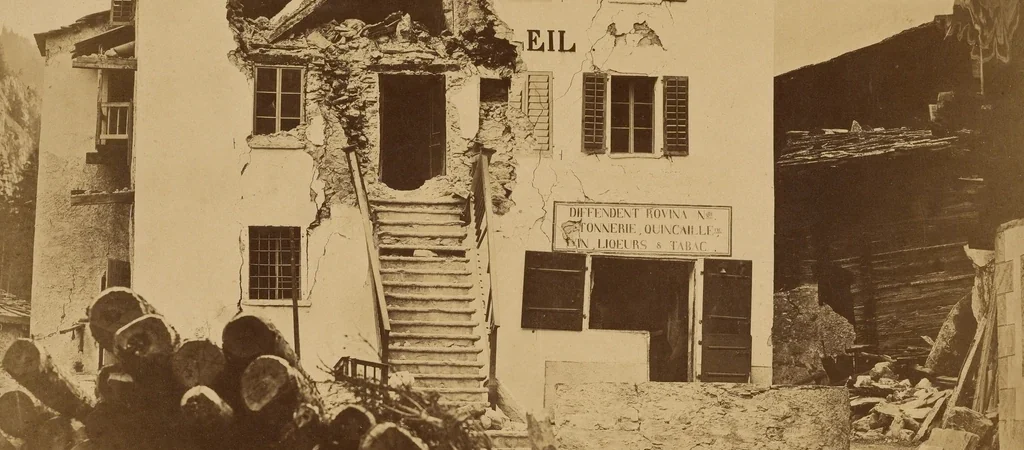
These are the same retrofits disaster agencies emphasize, and they’re the difference between minor clean-up and costly structural damage. Even the two most impactful structural retrofits — bracing a chimney and bolting your home’s frame to its foundation — are worthwhile to at least get a quote on.
Understand Your Earthquake Insurance (and Its Deductible)
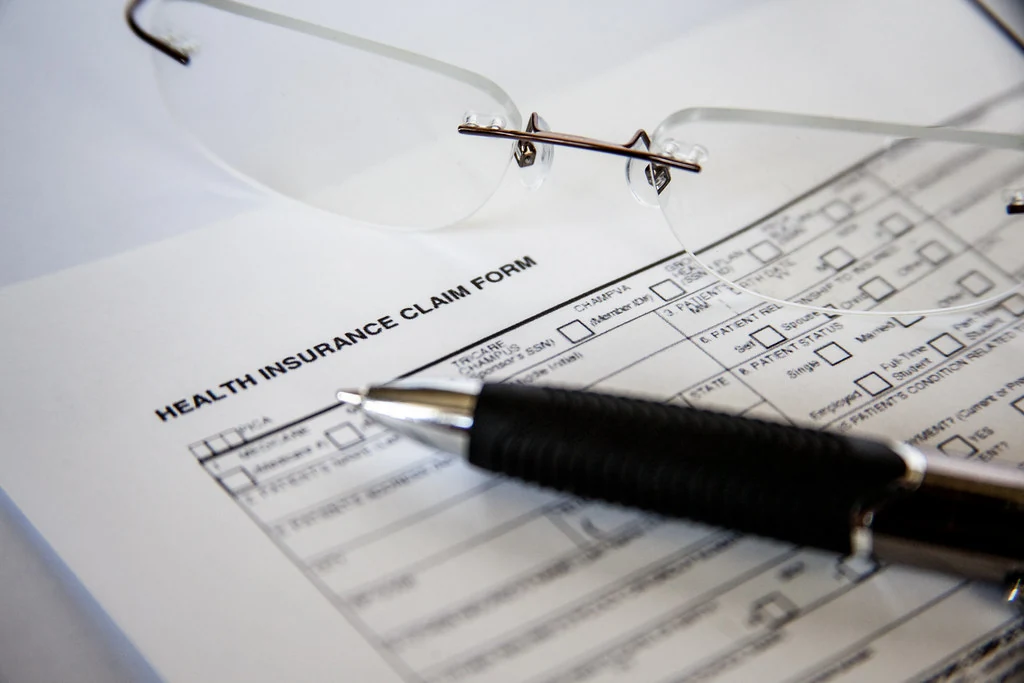
Standard homeowners insurance typically does not cover earthquake damage. Separate earthquake coverage exists in many areas, but it comes with a high percentage deductible — often 10–15% of the home’s value — that you must be able to pay before the insurer steps in. So earthquake insurance is most valuable when paired with a funded emergency cushion that can actually meet that deductible. Check with your provider about the cost and structure before you assume you’re covered.
Review the official preparedness guidance and your policy’s limits annually. Many households overestimate what their insurance covers and underestimate how long it takes to pay out — both facts should shape how much cash you hold back.
Keep Recovery Money Separate
Beyond general savings, it helps to define a specific “disaster recovery” bucket so you’re not forced to raid retirement or run up high-interest debt right after an emergency. Funding it a little each month means that if the ground shakes, your first decision isn’t “what do I sell or borrow.”
It’s also worth setting aside the money to meet your deductible. Many earthquake policies carry a deductible that’s a percentage of your home’s value, which can run into the thousands of dollars. Having those funds ready is the difference between a claim you can actually submit and one you can’t afford to start. Even saving toward it, rather than reaching it all at once, puts you ahead of households that discover the gap mid-recovery.
Finally, keep copies of key documents — insurance policies, deeds, identification, and contact numbers — in a waterproof, accessible place (a sealed bag or a backup you can grab quickly). After an earthquake, authorities, insurers, and lenders all ask for these, and having them ready speeds up every step of the recovery process. For renters, the same applies to your lease and renter’s insurance documents.
Priority Order for a Tight Budget
If you can’t do everything at once, sequence it:
- Fund a starter emergency cushion — this is the foundation everything else relies on.
- Do the cheap anchor fixes — furniture straps and water heater bracing, which prevent the most common losses.
- Understand your insurance and money you’d owe for a deductible.
- Expand your cushion toward several months and a physical-cash buffer.
Even a household on a strict budget can complete steps 1–2 within the first months, and that alone materially changes the outcome of a quake.
FAQ
Is earthquake prep really affordable?
Yes, at the level that matters most. The core items — securing furniture, bracing a water heater, keeping a cash buffer — are low-cost. The expensive components, like full structural retrofits or high-deductible insurance premiums, can be phased in as your budget allows.
Does normal homeowners insurance cover earthquakes?
Generally no. Separate earthquake coverage is typically required, and it carries a high percentage deductible. Confirm your exact coverage with your provider rather than assuming it’s included.
How much cash should I keep after an earthquake risk event?
Aim to build toward a few months of essential expenses, and keep a modest amount as physical cash for the short window when systems may be down. That matches the gap between the event and insurance payouts. A fast savings approach can help you get there steadily.
The Bottom Line
Preparing for an earthquake doesn’t have to bankrupt you — ignoring it is what costs far more. Fund a real emergency cushion, do the cheap anchoring fixes, and understand exactly what your insurance will and won’t cover. Those three steps put you ahead of the vast majority of households, and they’re all within reach of a normal budget. When the ground moves, you’ll be glad you spent small now instead of large later.
This article is for educational purposes and is not financial, tax, legal, or insurance advice. Consult a licensed professional for your specific situation.