
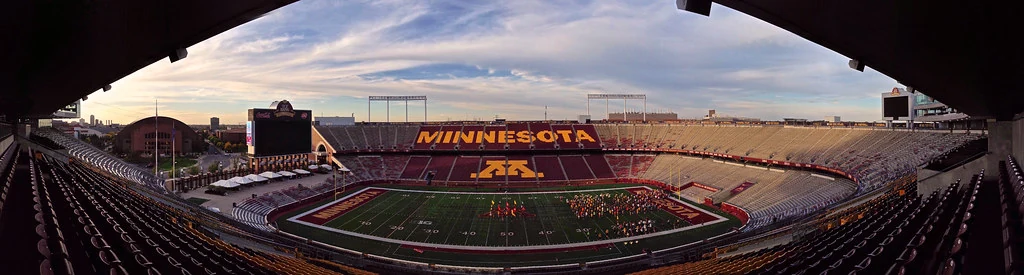
College Football Game Day on a Budget: Stream, Tailgate and Save Without Missing a Saturday
College football Saturdays are one of America’s great traditions — and one of its most expensive weekends if you’re not careful. Between game tickets, parking, tailgating food, streaming packages, and travel, a single game day can quietly run a household $200–$500. But you don’t have to choose between your budget and your team. With the right streaming stack, a smart tailgate plan, and a little financial discipline, you can enjoy every Saturday of the season for a fraction of what the “full experience” usually costs.
Why game day costs balloon so fast
Money disappears on a football Saturday through a dozen small leaks:
- Tickets — big-conference matchups routinely run $75–$300 each, and “premium” seats cost far more.
- Parking — campus lots and official garages charge $30–$60 near the stadium.
- Food and drink — stadium prices for a burger, a drink, and a hot dog can hit $30–$50 per person.
- Streaming — following an out-of-market team often means paying for a live-TV service all season.
- Travel and lodging — road games add gas, hotels, and sometimes flights.
Stack those together and the “cheap” day out can rival a vacation. The fix is deciding up front what the experience is worth and building the day around that number.
Stream every game without cable
You don’t need a $200-a-month cable bill to follow your team. The 2026 college football season is spread across a handful of services, and the cheapest legal stack depends on which games you actually need:
- Over-the-air basics — many big afternoon games air on ABC, CBS, FOX, and NBC, all free with a $20–$40 indoor antenna.
- ESPN Unlimited — for the bulk of conference and night games; often bundled into a live-TV plan or available as an add-on.
- Fox One / Peacock / Paramount+ — targeted services for networks they own, useful only if you watch those specific games.
- Live-TV bundles — YouTube TV, Hulu + Live TV, and Fubo cover the most networks with a single subscription (highest cost, but also the most complete).
Pro tip: browse what games your team actually plays each week before paying for a bundle. Many fans overpay for a full live-TV service when free over-the-air games plus one targeted add-on would cover 80% of their team’s schedule.
Do the seating math before you buy tickets
Ticket prices collapse as you move away from the 50-yard line. Decide honestly whether the premium seats translate into a better Saturday for you. Slinging a blanket into the cheap seats with friends is often just as fun as a club-level ticket — at 40–60% of the cost. If you’re set on the big game, use the resale market sparingly and buy well in advance: prices surge in the final days before a rivalry matchup.
Tailgate smart (and split the bill)
The tailgate is where budget-savvy fans win. Instead of buying stadium food at $30 a person, run a shared BYO format:
- Assign each friend a dish — burgers, sides, drinks — so no one carries the full cost.
- Cook at home and reheat, or use a cheap grill at the lot, rather than paying concession prices.
- Pack water and snacks to avoid the $8 stadium bottle.
- Split parking and supplies one member pays, others Venmo.
A well-run tailgate feeds a group of six for less than one stadium hot-dog run.
Plan for travel like a budget-cruncher
If a road game is on the calendar, treat it like a mini-vacation: book lodging early, watch prices, split gas and a room among friends, and pick a game within driving distance when possible. The cost of a plane ticket, hotel, and parking for an away game can exceed the entire home-game season — so choose your away game deliberately and budget for it rather than improvising.
Set a season budget before kickoff
Before Week 1, total what you’re willing to spend on football this fall: tickets, streaming, tailgating, travel, and gear. Split it into a per-month amount and stop when it’s gone. Fans who do this find they can comfortably fund the experiences they truly love — the home opener, one rivalry game, a full streaming stack — while skipping the impulse buys that drain the rest.
Frequently asked questions
What’s the cheapest way to watch college football?
Free over-the-air broadcasts (ABC, CBS, FOX, NBC) with an antenna cover many big games, plus a free ad-based streaming tier for some. For the rest, one or two targeted services beat a full live-TV bundle.
Is a live-TV streaming service worth it just for football?
Only if it covers most of your team’s games AND you’ll use it the rest of the year. If you only need it for football season, subscribe before kickoff and cancel in January.
Are stadium prices really that much higher?
Often 200–400% above retail for the same food and drinks. Tailgating before the game and snacking at home keeps that cash in your pocket.
When should I buy game tickets to save money?
Buy in advance for marquee and rivalry games, but for less-hyped matchups you can often find cheaper resale tickets close to kickoff.
The bottom line
College football doesn’t have to cost a fortune. The winning play is to stream strategically with a free antenna plus only the targeted services you need, tailgate smart and split costs with friends, buy the seats (and games) that genuinely matter instead of every impulse, and set a season budget before kickoff. Do that and you keep every Saturday of the season — without wrecking your monthly budget.
Read More Articles


Photo via Openverse (Flickr, CC BY 2.0)