Apple has finally gone foldable, and the headline number is doing exactly what Apple headlines do: making your wallet flinch. The iPhone Duo starts at $1,999 — more than double the base iPhone 17’s $799 price — with pre-orders opening October 16 and in-store sales October 23. It is, unsurprisingly, the most-searched gadget in America right now.
Before you let a $2,000 impulse hijack your month, here is the unglamorous truth: the sticker price is the smallest part of what this phone will cost you. This guide breaks down the real, all-in number, and the three genuinely cheaper ways to get one without quietly financing it at 22% APR.
What the iPhone Duo Actually Is (and Isn’t)
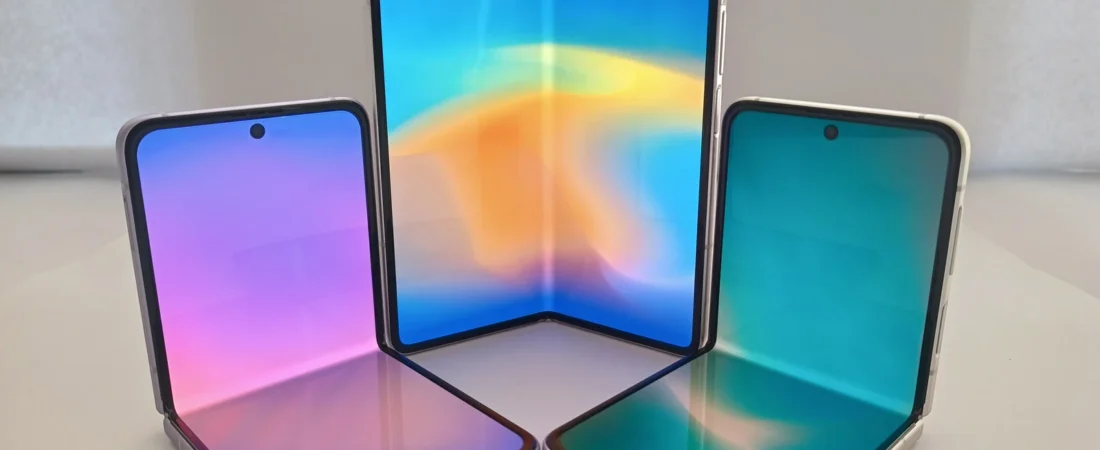
The Duo is Apple’s first folding phone: a passport-sized device that opens to a 7.6-inch inner display, built around Grade 5 titanium and the new A20 Pro chip. Alongside it, Apple refreshed the regular lineup — iPhone 18 Pro starts at $1,199 and the Pro Max at $1,299 — which matters, because the Pro line is the sane comparison point for most buyers.
What it isn’t: a necessity. Reviews from the launch event describe a phone that is objectively impressive and also 60% more expensive than the phone that is 95% as good. If your current iPhone is two or three generations old, the Duo is an upgrade; if you bought an iPhone 16 or 17 last year, it is a lifestyle purchase — which is fine, as long as you price it honestly.
The Real Cost of Ownership: It Isn’t $1,999
Run the full math before you decide:
- Base hardware: $1,999 + tax. In a state with 8% sales tax that’s about $2,159.
- Protection: foldable screens are the least durable part of any phone. AppleCare+ for the Duo tier runs roughly $199–$250 over two years, and third-party cases for foldables are $60–$100 because the hinge needs engineering.
- Opportunity cost: $2,000 sitting in a high-yield savings account at 4% earns about $80/year. Spend it on a phone and that’s a real, if invisible, cost.
- Depreciation: first-generation foldables historically lose value faster than slab phones. If you plan to trade in after two years, expect to recover materially less than a standard Pro model.
All-in, a “just” $1,999 phone is realistically a $2,400 decision — closer to $2,500 if you finance it wrong.
Way #1: Stack Apple Trade-In, but Check Cash Buyers First
Apple quotes $35 to $885 off a new iPhone for trade-ins, and early chatter says a 17 Pro Max tops out near $885. But Apple’s in-house trade-in is rarely the market’s best price. Before you commit, get quotes from at least two independent buyback sites; unlocked flagships frequently fetch $100–$250 more as cash than as store credit, and that difference is exactly the gap between the Duo being “expensive” and “absurd.”
The rule: trade-in value only counts if you were going to buy a new phone anyway. Taking $600 off a $1,999 purchase to spend $1,399 is not savings — it’s still spending.
Way #2: 0% Installment Plans — the Only Free Money
Carriers and Apple will offer the Duo on monthly installment plans (think $55–$84/month over 24–36 months) at 0% APR. That is the only version of “financing” a $2,000 phone that makes sense: no interest, and often bundled promotions if you’re a new line or upgrade-eligible customer.
Some premium cash-back cards also let you pay in full and earn 2–5% back, which on $2,000 is $40–$100 — effectively the cheapest discount available. Two warnings: (1) never put $1,999 on a card you carry a balance on, because at the ~19.6% average card rate you’ll pay Apple’s margin back in interest within a year; (2) 0% installment is still a subscription to a phone — if the plan requires a new line or plan lock-in, add that cost to the comparison.
Way #3: Wait — the Most Underrated Discount
Every product category has the same curve: early adopters pay full price, and the price breaks 6–12 months after launch when demand flattens and carriers start subsidizing hard. Foldables especially. If you can genuinely wait, the Duo at a $300–$400 carrier credit next spring is a completely different purchase decision. If waiting makes you miserable, that’s a value judgment only you can make — just make it consciously.
Should You Buy It? A 60-Second Test
- Is your current phone working fine and under 2 years old? Skip it. This is a want, and wants deserve a cooling-off week.
- Will you actually use the foldable screen — documents, multitasking, split-screen work — or just the idea of it? One honest answer decides this.
- Do you have the emergency fund sitting where it is? If the $2,000 comes out of savings, the phone is more expensive than it looks.
- Can you pay cash or 0% only? If the answer requires 24% APR, the answer is no.
The Monthly-Number Illusion: Why “$55/mo” Is a $2,000 Decision Anyway
Apple and the carriers will market the Duo the way every premium phone is marketed now: as a monthly payment. $55.53/month over 36 months sounds like a streaming tier. It is not. It is a three-year subscription to a device that will be two generations old in month 18, and the trap is that the monthly frame hides the total from the one comparison that matters — your month’s fixed costs. Before ordering, do this two-minute test: write the Duo’s monthly number directly below your rent, groceries, insurance and debt minimums on this month’s budget sheet. If it doesn’t fit without deleting something, you aren’t financing a phone, you’re financing a future trade-in at a bad price. Two more quiet costs in the monthly framing: (1) 0% installments lock your upgrade eligibility — many carrier promo credits require you to keep the line and finish the term, so “free at $0 down” can still cost $30/month of plan you’d otherwise downgrade; (2) trading in early means the next phone carries the remainder, which is how otherwise careful people end up paying for two phones at once. The Duo is worth considering as a purchase. As a monthly habit, it’s the same product that made $1,299 flagships feel normal for the last five years.
A Realistic Comparison: Duo vs. Keeping Your Phone Two More Years
If your current phone is an iPhone 14/15-era device with 85%+ battery health, the financially honest alternative to $1,999 is $129 (a battery swap) and a full two more years of use. That’s the comparison Apple’s event won’t show you: $2,400 all-in for the Duo versus roughly $130 plus the $200–$400 you’d eventually spend on a 2028 phone anyway. The gap — about $2,000 — invested instead at a broad index fund’s long-run average would compound to well over $2,500 by 2030. That isn’t an argument against wanting the foldable; it’s the price tag for wanting it, stated clearly, so the decision is yours rather than the marketing department’s.
FAQ
How much does the iPhone Duo cost?
Starting price is $1,999 in the US, with pre-orders October 16 and release October 23. Higher storage tiers push the sticker up from there.
Is the iPhone Duo worth it over the iPhone 18 Pro?
For most people, no. The 18 Pro at $1,199 delivers the same chip generation and camera system in a simpler, cheaper, more durable form factor. The Duo is for people who specifically want a folding screen.
Should I finance the iPhone Duo on a credit card?
Only if you pay the statement in full or use a formal 0% installment plan. Carrying $2,000 at the current average card rate (~19.6%) costs roughly $390 in interest over a year — money that buys you nothing.
The Bottom Line
The iPhone Duo is the most interesting Apple hardware in years and one of the easiest purchases of the year to regret. Decide it’s a want, give it the cooling-off week you’d give any $2,000 impulse, stack the best trade-in you can find, and pay cash or 0% only. Do that, and the foldable future can be a fun purchase instead of a quiet budget hole. For the wider money picture around your phone bill and streaming stack, see our guides on saving money on a low income and the annual budgeting app audit.