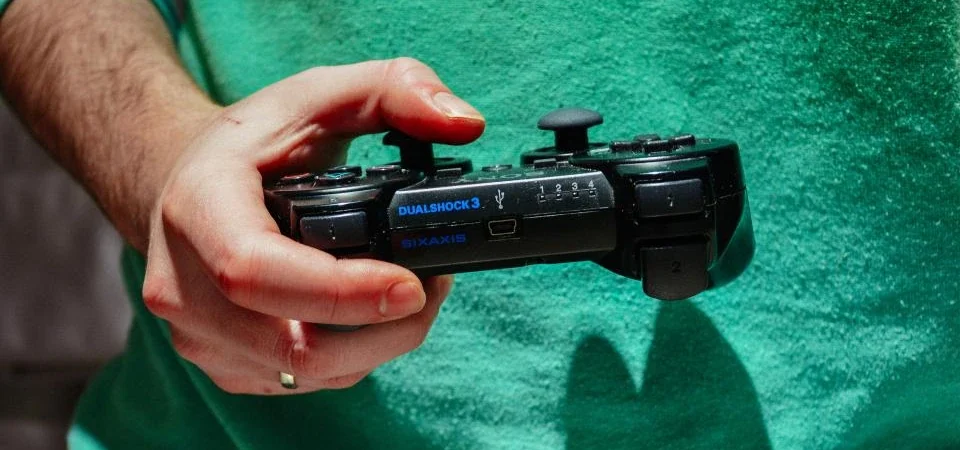
PlayStation owners have “Sony PlayStation store credit settlement” on the brain this week, and for good reason: Sony agreed to pay $7.85 million to settle a class-action antitrust case over digital game pricing, and payouts to eligible gamers are rolling out in 2026. If you bought digital games on the PlayStation Network between April 1, 2019 and December 31, 2023, you are probably in the settlement class — but the rules, deadlines, and dollar amounts matter more than the headline. This guide explains exactly who qualifies, what the money is (and is not), and the five smartest things to do with a $20–$500 windfall the moment it lands.
What the PlayStation Settlement Is — and Who Qualifies
The case (in re: PlayStation Store Digital Video Games Antitrust Litigation) alleged that Sony funneled discount codes through retailers in a way that let it police prices and keep digital games artificially expensive. The proposed settlement fund is $7,850,000. The basics:
- Eligibility: U.S. consumers who bought eligible digital games, add-ons, or currency on the PlayStation Store during the class period (generally April 1, 2019 – December 31, 2023), particularly titles that had retailer vouchers available.
- Payout range: roughly $20 to $500 per claim depending on purchase history; many claimants report the low end.
- Form of payment: PlayStation Store credit for most claims; paper checks were available for some categories, including users who deactivated accounts (claim window for those ran through August 27, 2026).
- Deadline status: the main claim deadline has passed for most people — if you filed, watch your PSN account; if you didn’t, the official site psndigitalgamessettlement.com and administrator line (877) 777-9145 tell you if a late or automatic payment applies. Never pay a “processing fee” to claim your own settlement money.
Step 1: Don’t Let $50 Become $0 to Fees and Scams
Every viral settlement spawns fake “claim” sites that harvest logins or demand fees. The FTC’s class action guidance is blunt: legitimate settlement administrators never charge you to pay you. Use only the official case website or the number printed in your court notice.
Step 2: Park It Today — 4% Beats 0.3%
A settlement credit or check can quietly rot in a big-bank checking account earning 0.30% APY. Move any cash portion into a high-yield savings account while you decide: with the Fed holding at 3.5%–3.75%, top accounts still pay around 4.0%–4.2% (see our 2026 high-yield savings picks). On $200 that’s ~$8/year of free money — small, but it costs nothing and builds the habit that matters on bigger windfalls.
Step 3: Kill the Highest-Interest Debt First
If you carry any credit-card balance, a $50–$500 windfall is a guaranteed 20–25% “return” if you aim it at the card with the highest APR. That beats any investment on the planet, risk-free. The CFPB’s debt-repayment resources explain avalanche vs. snowball; with settlement-sized money, avalanche (highest APR first) wins.
Step 4: Finish the Emergency Fund Before the Stock Market
Only invest money that you won’t need for three to five years and that sits behind a real cash buffer. If your emergency fund is under three months of expenses, this settlement is emergency-fund money — full stop. Our emergency fund guide walks through sizing it, and once it’s stocked, routing the excess into a low-cost index fund through the accounts in our beginner account guide turns a gamer refund into actual compounding.
Step 5: If You Have Zero Debt and Full Reserves — Invest It
At that point even $100 belongs in the market. A single purchase of a broad S&P 500 or total-market index fund inside a Roth IRA puts the money in the highest-return legal wrapper most Americans have. Remember 2020: anyone who had invested before the March crash recovered within months. For the psychology of holding through drops, read our stock market crash checklist.
The Five-Minute Money Reset While You Wait for the Payout
Settlement waits are the perfect excuse to run the basics now, so the money lands on a machine that’s already switched on:
- Pull your free credit report at AnnualCreditReport.com — settlement scammers increasingly harvest identities from claim-site traffic.
- Freeze your credit at all three bureaus (free, takes minutes); unfreeze only when you actually apply for something.
- List your debts by APR on one page — the settlement ladder above assumes you know which card is 28% and which is 18%.
- Open the 4% bucket so store credit or a check has somewhere productive to sit the day it arrives. Our saving on a tight income guide shows how small deposits still compound.
What the Payout Can’t Fix (and What You Control)
A candid note before the checklist: the settlement’s per-claim amounts will not change anyone’s balance sheet. What it can do — if you use it as a trigger — is enormous. Thousands of people got their first glimpse of their own digital spending while digging up PSN receipts; some discovered forgotten subscriptions costing more than the settlement itself. Cancel one $15/month zombie service because this exercise reminded you to audit, and you’ve made more per year than the payout did per day. The refund is small. The habit it can start is not.
FAQ: PlayStation Settlement Money
Is settlement money taxable income?
Generally, consumer class-action refunds for overpaid purchases are treated as a price reduction, not income, and small settlements usually arrive without a 1099 — but damages for lost income or certain injuries are taxable. See IRS.gov or a tax pro for your situation. Store credit used on games is not cash income in any practical sense.
What if my payout comes as Store Credit but I don’t own a console anymore?
Store credit is still worth something: sell the games you’d buy anyway (it’s a discount), or check whether the administrator allowed cash-out elections before the deadline. If not, treat it as a gaming budget and apply your saved cash to the debt/investment ladder above.
I missed the deadline — is the money gone?
Usually yes for that class, but exclusions and late windows exist (deactivated-account holders had an August 27, 2026 check-request path). Contact the administrator directly, and use this as the trigger to subscribe to a legitimate settlement alert — the official class-action databases list open cases for free.
The Bottom Line
The PlayStation settlement is small money — $20 to $500 — but it is a perfect test of your money reflexes: dodge the scams, park it at 4%, kill the highest-APR debt, top off the emergency fund, and only then invest the rest. Run that ladder in order and even a gamer’s refund becomes a step toward a consistent monthly investing habit — the one that actually builds wealth.