Polar Vortex 2026: How to Keep a Frigid Winter From Freezing Your Budget
Forecasters are already warning that the 2026–2027 winter could deliver a disruptive polar vortex event over the United States and Canada, with a strong El Niño expected to influence the season. That means more than just cold toes: it means bigger energy bills, faster-burning budgets, and stress on households that aren’t prepared. The good news is that a polar vortex is predictable enough to plan for. Here’s how to keep your heating costs, your emergency fund, and your sanity from freezing over.
Why your bill spikes during a polar vortex
A polar vortex works against you twice: it forces your furnace to run far more often to hold the same indoor temperature, and it does so at the coldest, least efficient moment of the year. Home heating is the single biggest energy expense in most American households during winter. When outdoor temperatures drop by 20–30°F below normal for a week, your heating system can easily run twice as long to keep your home comfortable — and that runtime is what drives the bill up, because you pay for every degree of warmth against the outside cold.
Compounding the problem: a sudden deep freeze is precisely when mechanical problems surface. Furnaces that limped along all fall can fail under constant strain, turning a budget problem into an expensive repair. Understanding that a polar vortex tests both your heating system and your budget at once is the first step to preparing for both.
What a polar vortex actually costs you
A polar vortex event happens when frigid Arctic air dips south, often for days or weeks at a time. The practical cost shows up on your utility bill. Winter heating cost estimates for November through March vary widely by fuel type — natural gas can run around $600, electric heat pumps near $850, resistance electric heat above $1,000, and propane as high as $1,200 a season. A harsh polar vortex can send those numbers higher and faster.
Beyond heat, there are hidden costs: higher electricity for lights and electronics on dark days, more driving in bad weather, potential pipe damage, and even increased grocery bills from eating in. These smaller leaks add up quickly across a cold month.
Seal the leaks before the cold arrives
The cheapest energy you’ll ever buy is the energy you don’t use. Before temperatures drop, do a simple draft audit with your hand or a candle: check windows, doors, and electrical outlets on exterior walls. Weatherstripping and door sweeps are inexpensive and can pay for themselves in a single cold month.
- Caulk and weatherstrip windows and doors — stops drafts and keeps warm air in.
- Insulate outlets and light switches on exterior walls with inexpensive foam gaskets.
- Close the fireplace damper when it’s not in use.
- Use window film or heavy curtains to trap heat overnight.
Set your thermostat smarter, not necessarily lower
You don’t have to freeze to save money. Programmable or smart thermostats let you lower the temperature when you’re asleep or away and warm up when you’re home. A rule of thumb: lowering the thermostat by about 7–10°F for eight hours a day can cut your heating bill by up to 10% yearly.
If you work during the day, program it to be cooler while the house is empty. If you’re home all day, keep it steady and layer up — wearing warm clothes indoors lets you keep the thermostat at 68°F or lower comfortably.
Make use of passive heat and free tricks
During sunny winter days, open south-facing curtains to let in sunlight and close them at dusk to trap the warmth. Run ceiling fans in reverse at low speed to push warm air that collects near the ceiling back down. And keep your furnace filter clean — a dirty filter makes your system work harder and use more energy.
Small behavioral shifts compound. Cooking in the oven warms the kitchen. A warm shower warms the bathroom. Every bit of “free” heat you retain is heat you didn’t buy from the utility company.
Protect your pipes and prevent damage costs
One burst pipe can cost thousands in water damage. When the polar vortex hits:
- Let faucets drip overnight on cold nights to keep water moving.
- Open cabinet doors under sinks to let warm air reach the pipes.
- Know where your main water shutoff is — if a pipe bursts, shut it off immediately.
- Disconnect garden hoses and drain outdoor spigots before the freeze.
Insulating exposed pipes in basements, attics, and garages is cheap insurance against an expensive disaster.
Build a winter heating budget buffer
The smartest financial move is to spread the cost of winter across the year. If your utility offers a “budget billing” plan, it averages your annual usage so you pay roughly the same amount every month instead of getting a shock bill in January. Alternatively, set aside a small amount each month during warm seasons into a dedicated “energy” fund.
Keep your emergency fund topped up for winter too. Heating emergencies, car trouble on icy roads, and unplanned home repairs all cluster in the coldest months. Having 3–6 months of expenses in a high-yield savings account means a surprise won’t turn into credit card debt.
Frequently asked questions
How much does a polar vortex raise heating bills?
It can spike a monthly bill by 30–50% or more depending on how long the cold snap lasts, your fuel type, and how well your home is insulated. A full winter heating season without efficiency measures can range from roughly $600 to over $1,200.
Is it cheaper to keep the heat low all day or turn it down at night?
It’s cheaper to turn the thermostat down when you’re asleep or away, because your furnace spends less time running. The idea that it costs more to reheat a cold house than to keep it warm is a myth.
What’s the best emergency fund size before winter?
Experts generally recommend 3–6 months of essential expenses. If you heat with propane or electric resistance — the most expensive options — lean toward the higher end of that range.
The bottom line
A polar vortex doesn’t have to wreck your winter budget. Seal drafts, set your thermostat smartly, use free heat, protect your pipes, and spread heating costs across the year with budget billing or a dedicated fund. Preparation is cheaper than repair, and a small upfront effort — a tube of caulk, some weatherstripping, a clean filter — can save you hundreds of dollars in a single cold snap while keeping your emergency fund and your sanity intact.
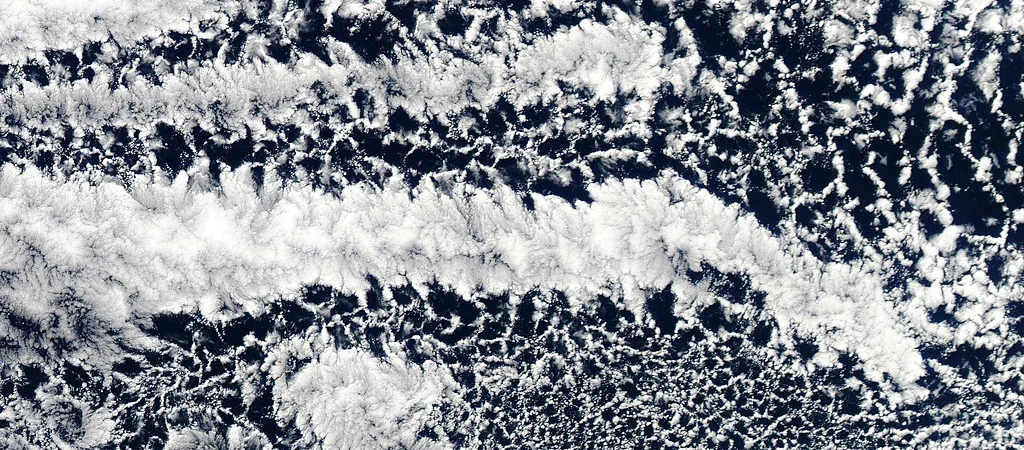
Photo: NASA Goddard Photo and Video via Openverse (CC BY 2.0)