Why “Stock Market Today” Shouldn’t Send You Into a Panic
Open any app on any given evening and you’ll see a headline built on the phrase stock market today — some index up, some down, a “roller-coaster session,” a “record close.” It’s the single most-searched market phrase for a reason: people want to know whether today’s moves mean something for their money. The uncomfortable truth is that a single day rarely tells you anything useful. Here’s how to read the daily noise, separate signal from headline, and make moves that actually protect your portfolio in 2026.
The bottom line up front: what the market does today matters far less than what you’re doing systematically. Your plan — not the day’s closing bell — is what compounds. Below we break down why daily moves are misleading, which few signals are actually worth tracking, and the concrete habits that beat reacting.
Why Today’s Move Is Mostly Noise
Daily index moves are driven by a jumble of forces that have almost nothing to do with your long-term returns: computer-driven trading, end-of-day rebalancing, panic from a single company’s earnings, or a headline about one sector. In a normal session the S&P 500 moves less than a percentage point, which is inside the statistical noise of any market. Over months and years, that volatility averages out, but only if you’re still invested to see it.
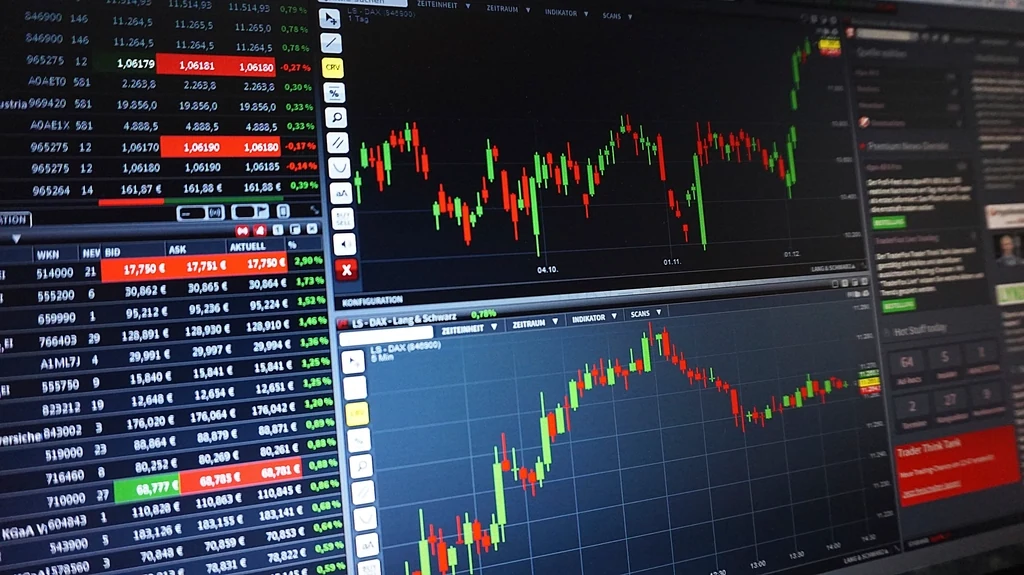
- Intraday draws are meaningless. The market can be deeply red at 1 p.m. and flat by close. Screenshot the closing number and you have one data point with no context.
- Headlines lag the action. By the time you read “stocks plunge” online, the liquidation you might be tempted to do is already priced in.
- Volatility is the price of return. The “stock market today” you’re panicking about is the same mechanism that delivered long-term index gains. You can’t take the upside without tolerating the swings.
The Few Things Actually Worth Checking Daily
If you must check the market each day, look at these instead of the color of the candles:
- Treasury yields. A jump in the 10-year Treasury tells you borrowing costs and discount rates are moving — the single biggest daily input to equity prices. It matters more than whether stocks closed up or down.
- The Fed’s calendar, not random Fed talk. Rate decisions, not market chatter, shift the regime. Build a checklist around scheduled meetings rather than reacting to daily commentary.
- Your own allocation drift. If stocks outpaced bonds and your 70/30 is now 76/24, that’s a real, actionable signal — a rebalance — versus all the noise about today’s close.
How to Read a Big Green Day (and a Big Red One)
Not every big move is noise. A genuinely large session — up or down more than roughly 2% — deserves a question: why? That answer tells you whether anything changed structurally. A rate headline, an inflation print, or a big single-stock event can legitimately move the index. Figure out the driver before you do anything. If the answer is “no one really knows” or “a meme stock,” treat it as noise and do nothing.
When the move is down sharply and broad, your highest-value action is usually not selling into it — it’s checking that you’re not over-concentrated and that your emergency fund is still funded so you’re not forced to sell equities at a bad moment.
Build a System So You Never Trade on “Today”
The fix for daily-market anxiety is a system that removes discretion. Three habits do more than any single stock pick:
Automate Contributions
An automated deposit into a diversified index fund every payday means you buy through both highs and lows. You stop needing to predict the day because you’re always acting. Dollar-cost averaging turns volatility into a feature, not a threat.
Pick a Review Cadence, Not a Review Mood
Review your portfolio quarterly — on a calendar date, not when a headline spikes. Quarterly rebalancing and a yearly asset-allocation check keep you disciplined while ignoring day-to-day swings.
Write Your Rules Before the Panic
Decide now, calmly, the conditions under which you’d ever change allocation dramatically. If it’s not written down, today’s red candle will write it for you. Having the rule pre-committed is how you stay invested through the years that actually make you money.
What to Do With the Energy Instead
If you find yourself refreshing the market throughout the day, redirect that energy into things with real, controllable impact: raise contributions at the start of every year to keep pace with inflation, keep your monthly investment target honest, and review your tax-advantaged accounts. Each of those moves has a measurable payoff. Watching the ticker does not.
FAQ
Should I sell when the stock market is down today?
Almost never as a first move. A single down day is inside normal volatility. Selling turns a temporary decline into a locked-in loss and a taxable event. Decide based on your plan’s rules and your time horizon, not on today’s close.
Is checking the stock market every day bad?
Checking isn’t inherently bad — acting on what you see is. Frequent checking with no decision threshold tends to erode returns because it tempts you to tinker. Set a rule for what counts as worth acting on (for example, a rebalance trigger or a new contribution) and check with that lens.
What should I actually read to understand the market?
Skip the minute-by-minute commentary. Read the drivers: the mortgage rate survey, Treasury yield movements, inflation prints, and — most of all — your own portfolio’s allocation. Those tell you what’s real.
The Bottom Line
“Stock market today” is a search phrase, not a strategy. Daily moves are noise; your system is the signal. Automate contributions, rebalance on a schedule, keep your investment accounts aligned with your goals, and let compounding do the work that headline-grabbing can’t. The investors who do best in 2026 aren’t the ones who watch the market closest — they’re the ones who stop letting a single day decide their future.
This article is for educational purposes and is not financial, tax, or investment advice. Consult a licensed professional for your specific situation.