Uber and Lyft Are Quietly Draining Your Budget: The Real Cost of Rideshare
Checking your credit card statement at the end of the month and spotting $90 in rideshare charges — for a few short trips across town — is one of the most common budget shocks in 2026. Uber and Lyft have made getting around incredibly easy, but that ease comes at a price that’s easy to ignore because it’s split across dozens of small transactions. Here’s how to understand what rideshare really costs you, and how to cut it dramatically without giving up the occasional convenient ride.
Why rideshare gets so expensive so fast
Rideshare pricing is famously dynamic. Beyond the base fare, you’re paying for:
- Dynamic surge pricing — when demand is high (rush hour, bad weather, weekends, big events), the same ride can cost 2–3x the normal rate.
- Booking and service fees — platforms add fees on top of the driver’s cut.
- Tolls and airport fees — passed straight through to the rider.
- Tips — believed to be expected and prompted at 15–20%.
The result is that a 15-minute trip that might cost $4 in gas and parking can easily total $12–$20 — and surge pricing can push a short commute into a $35 transaction.
There’s also a subtler cost: convenience inflation. When a car is always one tap away, you stop planning trips, walking, or batching errands. You take the car for a two-mile trip you could walk in 25 minutes, or split errands into several separate rides instead of one efficient loop. That behavior compounds the per-ride cost into a much bigger monthly total.
Audit your actual monthly spend
Before you can fix it, you have to see it. Open your ride-hailing app, go to your trip history, and add up the last 30 days. Then compare that to your transit pass, gas, and parking costs for the same period. For most people who use rideshare a couple of times a week, the number is eye-opening — often $150–$400 a month that’s spread invisibly across many small charges.
Don’t just total the fares — also note what each trip was for. Were those trips preventable? Could two of them have been combined into one? Could half of them have been transit rides? Categorizing your trips (commute, errands, night out, airport) reveals exactly where the money goes and where you can cut without feeling it.
Ways to slash the cost right now
- Never accept the first surge price — wait a few minutes or walk a few blocks to a lower-demand pickup zone; prices often drop fast.
- Choose pickup over priority/luxury tiers — always default to the cheapest tier unless you genuinely need it.
- Compare both apps before you book — Uber and Lyft price differently for the same trip; 30 seconds of comparing can save several dollars.
- Use scheduled rides or off-peak times when you have flexibility.
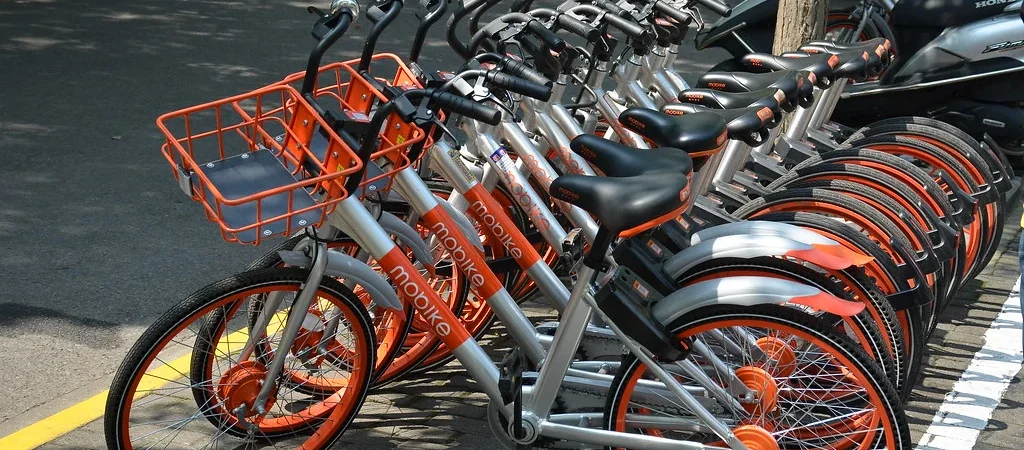
- Consider a transit or bike option for short, predictable routes — the savings add up enormously.
Another underused tip: rideshare subscription plans. Both major apps offer monthly membership tiers that cap or waive delivery fees and offer ride discounts. If you ride even a few times a month, the monthly fee can pay for itself in waived fees and lower fares.
Rideshare, transit passes, and car ownership: the real comparison
The financial math usually looks like this:
- A transit pass is by far the cheapest option for daily commutes — often $70–$130 a month for unlimited rides.
- Owning and driving a car has high fixed costs (payment, insurance, maintenance, parking) but low marginal cost per mile once you already own it — best for frequent or long trips.
- Rideshare is the most flexible and cheapest entry point, but the worst value for regular, predictable trips.
For most people, the optimal mix is a transit pass or car for the daily routine, with rideshare reserved for the occasions when it truly adds value — late nights, airport runs, or when carrying heavy loads. Using rideshare for everything is usually the most expensive way to get around.
Build a mobility budget
Treat rides like any other discretionary category. Decide on a monthly cap for “convenience rides” — say $50 — and once it’s spent, walk, bike, or use transit for the rest of the month. Keeping it finite forces you to reserve rideshare for the moments it genuinely matters rather than defaulting to it out of laziness.
Frequently asked questions
Is it worth using rideshare to avoid owning a car?
For light, occasional use, yes — it’s far cheaper than payments, insurance, and maintenance. But if you take more than a handful of trips per week, a car or transit pass usually wins on cost.
How do I avoid surge pricing?
Travel off-peak, walk a few minutes away from high-demand zones, and wait out a surge — prices typically normalize within 10–15 minutes.
What’s the fastest way to cut my rideshare bill?
Switch short, predictable trips to transit or walking and set a strict monthly rideshare cap. Most people can cut their bill by half with those two habits alone.
The bottom line
Rideshare is an incredible convenience, but as a default it’s one of the most expensive ways to get around. Audit your real monthly spend, compare apps, avoid surges, and pair a transit pass or car with a firm “convenience ride” budget. You can keep the flexibility of Uber and Lyft for the moments they genuinely help while plugging what is often a $200+ monthly leak from your budget.
Photo: shankar s. via Openverse (CC BY 2.0)