In late September 2026, Walmart announced a recall of Bettergoods frozen pasta meals sold nationwide because of potential listeria contamination, following reports of illnesses. When a food recall like this hits, most shoppers don’t know their rights or how much they’re actually owed. If you bought one of the affected products, here’s exactly what to do — what gets refunded, how the recall process works, and the money moves that protect your budget when your groceries turn out to be a health risk.
What Was Recalled in the 2026 Walmart Pasta Recall
The recall covers Bettergoods-brand frozen pasta dishes sold at Walmart stores nationwide and through Walmart.com, tied to a listeria investigation. Per the FDA and food-safety reporting, the affected lots carried markings in the L6079C and L6080C family, with dates stamped on the back such as 09/19/2027 or 09/20/2027. Listeria is a serious foodborne pathogen, especially risky for older adults, pregnant people and anyone with a weakened immune system. If you have one of the recalled products, don’t eat it — the guidance is to return it to the store for a full refund.
You’re Entitled to a Full Refund — Even Without a Receipt
Under Walmart’s recall policy, you can return recalled items for a full refund, and you do not need the original receipt. The store tracks the recall via the product itself. Take the recalled package back to the customer service desk, tell them it’s part of the Bettergoods listeria recall, and they’ll process the refund. This applies even if you already opened the package — but if you’ve eaten from it, stop consuming it immediately and dispose of it safely before requesting your refund.
It’s Not Just the Product — Know Your Full Set of Recourse
A recall refund only covers the cost of the product itself, which might be just a few dollars. If you became ill from a recalled food, your rights go further. You may be able to recover medical expenses, lost wages and other costs through the manufacturer’s liability, a product-liability claim or a class-action settlement. Keep the recall notice, the product packaging, any receipts and medical records if you got sick. When track records show, listeria outbreaks have led to significant payouts and settlements for affected consumers.
Check Your Freezer and Your Kitchen Log
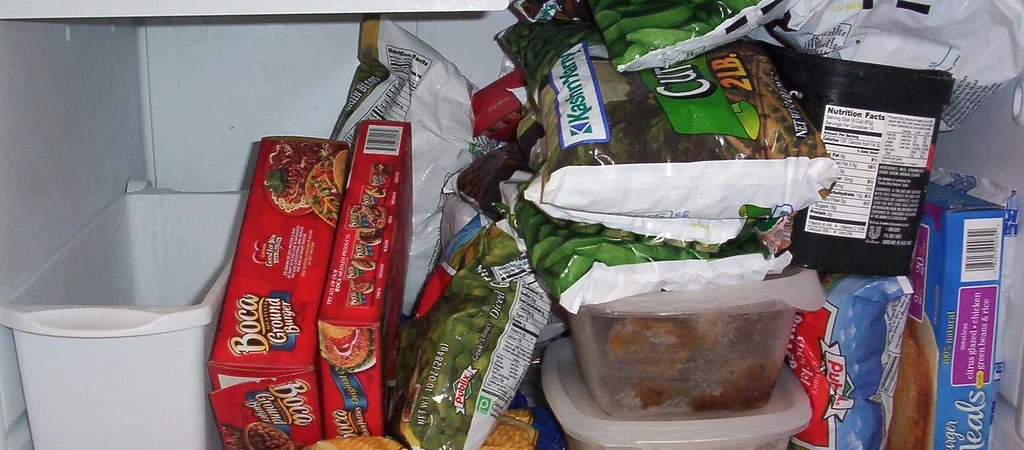
The affected products are frozen and can sit in a freezer for months, so the recall window extends long past the purchase date. Check your freezer, pantry and any lists of what you’ve bought (Walmart’s app and your email receipts can help you see if you purchased Bettergoods pasta recently). Even if you think you bought the pasta months ago, the stamped lot codes and dates are what matter — compare them against the recall notice before you throw anything away or return it.
Protect Yourself and Your Family
If you’ve consumed a recalled product, watch for symptoms of listeriosis — fever, muscle aches, nausea and diarrhea — which can appear days to weeks after exposure. High-risk individuals (pregnant women, older adults, the immunocompromised) should contact a healthcare provider if they’re concerned. For everyone else, the practical money move is prevention: clean the freezer drawer and surfaces that touched the product, wash your hands, and replace the recalled meals with a trusted alternative from your grocery budget.
Act Fast If You’ve Eaten the Product
If you’ve already consumed one of the recalled pastas, don’t wait for symptoms to decide what to do. Listeria can take anywhere from a few days to a couple of weeks to show up, and in high-risk groups the infection can be serious. In addition to contacting a healthcare provider if you’re concerned, keep a written record of what and when you ate — including the package lot codes if possible. That timeline is enormously helpful both for your own care and for any claim you might later make. For most healthy adults a single exposure resolves without treatment, but documented exposure strengthens your position if you do need care or pursue recourse.
How This Fits Into Your Grocery Budget
A recall refund may only recoup a few dollars, but it’s a reminder of smart food budgeting: keep receipts (paper or digital), track what you buy, and know the return policies of the stores you shop at. Walmart’s no-receipt recall refund is generous, but not every store or every recall works the same way. Building a small buffer in your grocery budget for replacements — and knowing your store’s refund rules in advance — prevents a recall from turning into an unplanned expense.
Frequently Asked Questions
Do I need a receipt to get a Walmart pasta recall refund? No. Walmart processes full refunds on recalled items without the original receipt. Bring the recalled product to the customer service desk and reference the Bettergoods listeria recall.
Can I get more than the product cost back? The refund covers the product itself. If you became ill, you may be able to pursue medical expenses, lost wages and other costs through manufacturer liability or a class-action settlement — keep packaging, receipts and medical records.
Which lots are affected? The recalled Bettergoods frozen pasta lots carried markings in the L6079C and L6080C series with dates stamped on the back such as 09/19/2027 and 09/20/2027.
Should I be worried if I ate the pasta? Listeria is serious for pregnant women, older adults and the immunocompromised. Watch for fever, muscle aches and nausea, and contact a healthcare provider if you’re in a high-risk group or concerned.
Bottom Line
The 2026 Walmart Bettergoods pasta recall is a reminder that food safety and money management go hand in hand. You’re entitled to a full refund for recalled items — no receipt needed — so take the product back promptly. If you got sick, your recourse extends beyond the refund. Keep your receipts, know the recall details, and protect your family and your budget by acting quickly and understanding your full set of rights.
Sources: FDA, FoodSafetyNews, Walmart recall page, CDC listeria resources. Recall details reflect reports at publication time; check your specific lot codes against the official notice.
Photo: sylvar via Openverse (CC BY 2.0)