
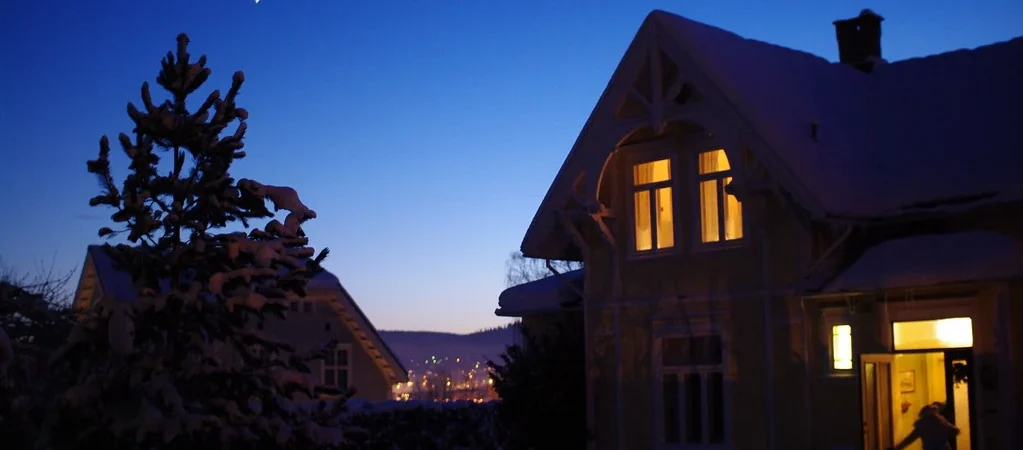
Winter Home Protection on a Budget: Pipes, Roofs and Insurance Before the Snow
When forecasts start showing snow on the radar, homeowners’ search interest spikes — “how to protect pipes,” “winterize my house,” “is my roof covered for ice damage.” That spike usually comes after the first flakes, not before. The homeowners who save the most money are the ones who act during the calm days ahead of the storm.
Winter storms are one of the most expensive (and most avoidable) sources of home damage. Burst pipes, ice dams, and roof collapse claims run into the thousands of dollars each — yet most of them are preventable with a modest, planned investment. Here is a real-world, budget-friendly winter protection plan you can execute before the temperatures drop.
Start With the Pipes: The Single Most Avoidable Disaster
Frozen and burst pipes are responsible for a huge share of winter home insurance claims, and they are almost entirely preventable. When water freezes, it expands, and the pressure can split even sturdy copper or PVC lines. The repair bill for a burst pipe often runs well into four figures once you add drywall, flooring, and cleanup.
Budget-friendly prevention, in order of priority:
- Drain and disconnect outdoor hoses. Close the interior shut-off valve and leave the outdoor bib open. This costs $0 and prevents the most common freeze failure.
- Insulate exposed pipes. Foam pipe sleeves cost a few dollars per 6-foot section and take minutes to install in basements, garages, and crawl spaces.
- Seal air leaks. Caulk and weather-strip around windows, doors, and where pipes enter the house. Reducing cold drafts helps both your pipes and your heating bill.
- Keep a slow drip when the temp plunges. On the coldest nights, letting a trickle of water run keeps it moving so it’s far less likely to freeze. The extra pennies on your water bill are a bargain versus a claim.
Roofs and Ice Dams: Know Your Risks
Ice dams form when melting snow refreezes at the eaves, trapping water that backs up under shingles and leaks into your attic and walls. The fix that matters most is good attic insulation and ventilation, which keeps the roof surface cold and prevents the melt-refreeze cycle in the first place.
If you see icicles forming along the eaves, that’s a warning sign — it means your attic is leaking heat. Before winter each year, check that your attic has adequate insulation (the U.S. Department of Energy publishes recommended R-values by climate zone) and that vents aren’t blocked. Roof removal of snow with a proper roof rake can reduce load in heavy snow regions without the danger and expense of hiring out every time.
Review Your Insurance Before You Need It
The most overlooked (and potentially most expensive) winter preparation is reading your policy before you file a claim. A few specifics to confirm:
- Does your policy cover frozen-pipe damage? Many homeowners policies cover the resulting water damage, but some exclude it if you failed to keep the home adequately heated. Know the conditions.
- What’s your deductible? If your deductible is $2,500 and your damage is $3,000, you’re paying most of it yourself. Set aside the deductible amount in your emergency fund so a claim doesn’t become a financial crisis.
- Tree damage vs. removal. Insurance typically covers damage to your home from a falling tree but may not cover simple removal of a tree that doesn’t hit anything.
- Document your home. A current inventory (photos and receipts) makes claims faster and more accurate. Store it in the cloud, not just on your phone.
Budgeting the Whole Winter Beyond the House
Home protection is only part of the seasonal cost. Make a complete winter budget so you aren’t surprised by the annual trifecta of heating, utilities, and repairs:
- Heating. The U.S. Energy Information Administration projects heating costs can swing sharply with weather and fuel prices. Lock in a modest increase in your monthly energy budget and consider a programmable thermostat, which the Department of Energy estimates can save about 10% a year on heating and cooling.
- Emergency repair stash. Even well-prepared homes have surprises. A dedicated “home repair” line in your budget of $50–$100 a month smooths out the spikes.
- Snow removal. If you pay for plowing or shoveling, put it in the plan; it adds up fast in a snowy season.
When to DIY and When to Hire
Many winter-prep tasks are cheap DIY wins (hoses, weather-stripping, pipe sleeves, attic checks). But some are worth the professional: anything involving gas, electrical, or steep-roof work, and major insulation upgrades you’re not equipped to do. When you do hire, get multiple quotes and check licensing and insurance — especially important after a storm when demand (and prices) spike.
FAQ
Do homeowners insurance policies cover frozen pipes?
Most standard policies cover water damage from frozen and burst pipes, but many require that you took reasonable steps to heat the home and prevent freezing. Review your policy’s exclusions and conditions, and keep proof of maintenance.
Are ice dam repairs covered by insurance?
Coverage varies. Damage to the roof structure and interior from ice-dam leaks is often covered, but the ice dam removal or prevention work itself may not be. Check your specific policy language.
How cold does it have to be for pipes to freeze?
Pipes in unheated or poorly insulated areas can start freezing when outside temperatures stay below about 20°F for extended periods. The risk rises with the duration, wind, and lack of insulation.
Should I keep a faucet dripping when it’s freezing?
Yes. On extremely cold nights, letting a slow drip run keeps water moving through the pipes, which significantly reduces the chance of freezing. It’s a low-cost, high-value precaution.
The Bottom Line
Winter home damage is expensive, disruptive, and largely preventable. A few afternoons of inexpensive prep — hoses disconnected, pipes insulated, attic checked, policy reviewed, and an emergency stash funded — can save you thousands and a stressful insurance claim in February.
Start before the forecast turns. Your budget, your insurance premiums, and your peace of mind will all be better off when the snow actually arrives.
This article is for educational purposes and is not insurance or financial advice. Confirm coverage details with your provider.
Read More Articles


Photo: gromgull via Openverse/Flickr (CC BY)